
Europe
EU Forced Labour Regulation (EUFLR)
Tilkal - The EU Forced Labour Regulation aims at preventing both imported and domestically produced goods made with forced labor from being sold on the EU market.
Regulations and initiatives specifically impacting the industry & manufacturing sector, focusing on supply chain transparency, traceability, and due diligence requirements.

Europe
Tilkal - The EU Forced Labour Regulation aims at preventing both imported and domestically produced goods made with forced labor from being sold on the EU market.

Europe
Tilkal - The EU Digital Product Passport (DPP) introduces new requirements for product-level data, traceability, and transparency across supply chains, reshaping how companies manage product information throughout the lifecycle.

Europe
Tilkal - The EU Conflict Minerals Regulation aims at preventing the financing of armed conflict and human rights abuses by ensuring responsible sourcing of certain minerals entering the EU market.

Europe
Tilkal - The EU Carbon Border Adjustment Mechanism (CBAM) A carbon pricing mechanism that ensures imported goods face a carbon cost comparable to EU domestic products under the EU Emissions Trading System (ETS), aiming to prevent carbon leakage and encourage lower-carbon production globally.

Europe
Tilkal - The EU Battery Regulation ensures that batteries placed on the EU market are safe, sustainable, and traceable (Battery Passport), with strong requirements on responsible sourcing, lifecycle transparency, and environmental performance.

Europe
Tilkal - The Ecodesign for Sustainable Products Regulation (ESPR) sets requirements for companies to implement sustainability and circularity concerns into the design of their products while empowering consumers with better information and protection from unfair practices.

Europe
Tilkal - CSRD aims at enhancing and modernizing sustainability reporting rules, making it mandatory for a broader range of companies to disclose their sustainability practices.

Europe
Tilkal - The Corporate Sustainability Due Diligence Directive (CSDDD) aims at promoting sustainable and responsible business practices.

China
Tilkal - The Chinese RoHS/ RoHS II restricts the use of specific hazardous substances in electrical and electronic equipment (EEE) to protect human health and the environment, and promote sustainable manufacturing and product design in China.

China
Tilkal - The Chinese Due Diligence Guidelines for Responsible Mineral Supply Chains provide guidance for companies to identify, prevent, and mitigate risks of contributing to conflict, serious human rights abuses, and misconduct across mineral supply chains.
Australia
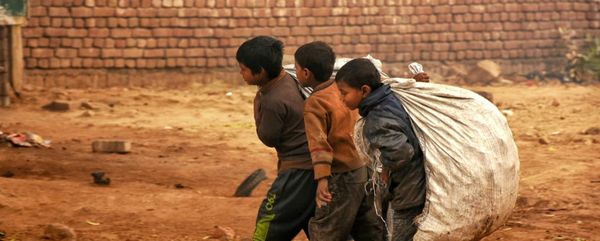
Tilkal - The Australian Modern Slavery Act requires companies to identify, assess, and address modern slavery risks, including forced labor, child labor, and human trafficking, across their operations and supply chains.

Europe
AGEC seeks to promote sustainable production and consumption, reduce waste and enhance environmental protection.